


Mobile Self-Contained Emergency Shower Stations
Mobile Self-Connected Emergency Shower Stations Manufacturer & Supplier
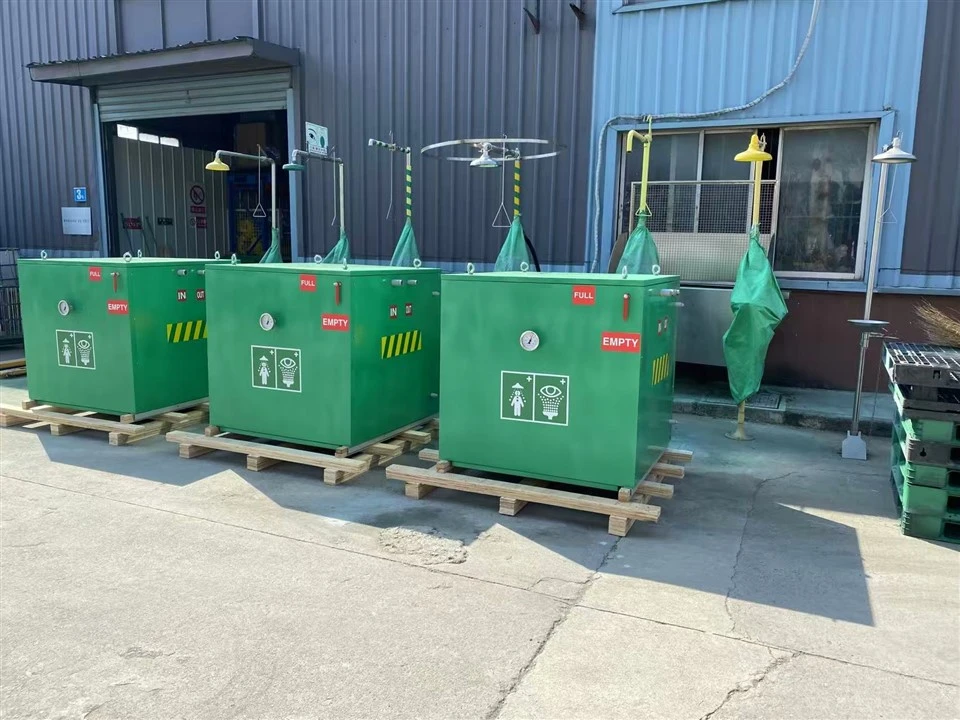
Since 2007, our business has focused on the research, development and manufacturing of emergency shower and eyewash equipment. Production, quality control and technical support help address industrial safety requirements across export markets. Mobile self-contained emergency shower stations provide a dedicated flushing supply for selected work areas without a permanent water connection at the point of use. Product configurations can be reviewed against site conditions and project specifications.


Why Choose Us
Focused Product Expertise
Specialization in emergency shower and eyewash equipment supports practical discussions about flushing requirements, installation conditions and product selection.
Manufacturing Capabilities
CNC machining, drilling, tapping and assembly processes support component production and the execution of confirmed product specifications.
Technical Coordination
Application requirements, operating conditions, materials and required functions can be reviewed before the final configuration is approved.
Quality Inspection
Material checks, production controls and functional testing help verify equipment against agreed specifications before shipment.

Integrated Water Supply: A built-in reservoir provides a dedicated flushing supply. Required tank capacity depends on flow rate, operating duration and the functions used.
Combined Shower and Eyewash: Selected configurations combine body-shower and eyewash functions in one station. Simultaneous operation must be confirmed against the unit's verified flow capacity.
Mobile Frame: A wheeled structure supports repositioning where floor conditions and access routes are suitable. The loaded weight, movement path and locking arrangements should be checked before deployment.
Industrial Materials: Stainless steel components can support equipment durability in suitable operating environments. Material grades and component specifications should be confirmed for the selected model.
Chemical Processing: Assess equipment placement according to chemical exposure risks, emergency access, and temporary plant areas lacking fixed plumbing.
Manufacturing and Maintenance: Provide a potential flushing option for designated plant turnarounds, equipment maintenance areas, and production zones where fixed facilities are not readily accessible.
Laboratory Operations: Evaluate mobile equipment for suitable work areas handling hazardous substances, subject to risk assessment and applicable requirements.
Temporary and Remote Work Areas: Consider self-contained equipment where permanent plumbing is impractical (such as remote drilling sites or outdoor yards). Confirm replenishment arrangements, operating duration and access conditions before selection.

Technical Specifications
|
Parameter |
Reference Value |
|
Emergency Shower Flow Rate |
75.7 L/min |
|
Eyewash Flow Rate |
1.5 L/min |
|
Reference Flushing Duration |
15 min |
|
Tepid Water Temperature |
16–38°C |
|
Water Tank Capacity |
Typical 100L – 350L |
|
Overall Dimensions |
Typical 800×1200×2200 mm |
|
Operating Weight |
Approx. 150 kg – 450 kg |
|
Power Supply |
Optional (Battery/Solar/AC for heated options) |
|
Operating Temperature |
-10°C to 40°C |
How to Select the Right Unit
Water Capacity and Flow
Determine the required flow rate and flushing duration, including whether both functions must operate simultaneously. Verify that the available water volume supports the specified operating conditions.
Site Access
Check door widths, turning space, floor conditions and loaded equipment weight. Confirm that the frame and mobility system suit the intended route.


Environmental Conditions
Establish the expected ambient temperature and assess whether insulation, heating or freeze protection is required for the selected configuration.
Utilities and Maintenance
Confirm electrical requirements, filling arrangements, drainage, cleaning procedures and access for routine maintenance.

Mobile vs. Fixed Emergency Showers
Mobile Units
Self-contained equipment can serve selected locations without permanent plumbing at the point of use. Water capacity, operating duration and movement conditions require assessment.
Fixed Units
Plumbed emergency showers use a permanent water supply and may suit established workstations with suitable water infrastructure.
Application Review
Choose according to the site risk assessment, water supply, installation conditions and applicable requirements. The selected arrangement must satisfy the project's emergency response and compliance requirements.
Tank Capacity: Review the required water volume against flushing flow, operating duration and intended functions.
Mobility Options: Assess caster and frame arrangements against floor conditions, access restrictions and movement requirements.
Temperature Protection: Insulation, heating or freeze-protection options can be evaluated for projects with specific ambient temperature requirements.
Additional Functions: Integrated eyewash and other available accessories can be reviewed against the selected model. Confirm technical feasibility and the final configuration before ordering.
ANSI/ISEA Z358.1: This standard addresses emergency eyewash and shower equipment. Confirm the applicable requirements and the selected unit's documented performance.
CE Documentation: Review applicable CE conformity documentation against the specific product, relevant legislation and supporting technical records.
Project Requirements: Confirm applicable standards, local regulations, installation conditions and customer specifications before approving the equipment. Compliance statements must match the actual product and available evidence.

Manufacturing and Quality Control
Production Processes
Machining, drilling, tapping and assembly operations support component processing and production requirements.
Inspection and Testing
Material verification, process checks and functional testing help assess conformity with agreed specifications.
Order Specification Review
Confirm materials, functions and technical requirements before production to align the delivered equipment with the approved order.
Maintenance and Inspection
Water Management
Follow the product instructions for filling, cleaning, water replacement and storage hygiene.
Functional Checks
Inspect shower and eyewash outlets, valves, hoses and mobility components according to the product maintenance schedule and applicable requirements.
Temperature Protection
For equipment used in extreme temperatures, follow specified operating limits and check fitted heating or insulation systems before use.
Export Packaging and Delivery
Protective Packaging: Select packaging according to equipment dimensions, component protection needs and the planned transportation method.
Shipping Coordination: Review shipping arrangements according to order quantity, destination and delivery requirements.
Order Documentation: Product specifications, operating instructions and applicable inspection documents can be coordinated according to the confirmed order scope.
Technical and After-Sales Support
Before Ordering: Technical consultation helps clarify the application, required functions, operating environment and product specifications.
Order Coordination: Specification confirmation establishes the agreed materials, configuration and technical requirements before production.
After-Sales Assistance: Product-use guidance and maintenance support can be arranged according to the product and project requirements.
Frequently Asked Questions

Discuss Your Project Requirements
Share your application, site conditions, required flushing functions and target specifications to identify a suitable mobile self-contained emergency shower configuration. Technical requirements, available options, supporting documents, packaging and delivery arrangements can then be reviewed before order confirmation.