

When it comes to workplace safety, having the right emergency equipment is crucial. One such essential piece of equipment is an OSHA-approved portable eyewash station. As a supplier of Portable Eyewash Station Osha Approved, I understand the importance of knowing the dimensions of these stations. In this blog, I'll delve into the various dimensions of OSHA-approved portable eyewash stations, why they matter, and how they impact your workplace safety.
Understanding OSHA Requirements for Portable Eyewash Stations
Before we discuss the dimensions, it's important to understand the Occupational Safety and Health Administration (OSHA) requirements for portable eyewash stations. OSHA standards are in place to ensure that workers have access to immediate and effective emergency eyewash solutions in case of chemical splashes or other eye injuries. According to OSHA, portable eyewash stations must be capable of providing a sufficient volume of flushing fluid at a suitable pressure and temperature for a specified period.
Key Dimensions of Portable Eyewash Stations
Height
The height of a portable eyewash station is a critical dimension. It needs to be at a level that allows easy access for workers of different heights. OSHA does not specify a strict height requirement, but generally, the eyewash nozzles should be positioned between 33 inches (84 cm) and 45 inches (114 cm) above the floor. This range ensures that most workers can comfortably use the station without having to bend down or stretch too far. A well - positioned eyewash station can be accessed quickly in an emergency, which is crucial for minimizing the damage caused by eye injuries.
Width and Depth
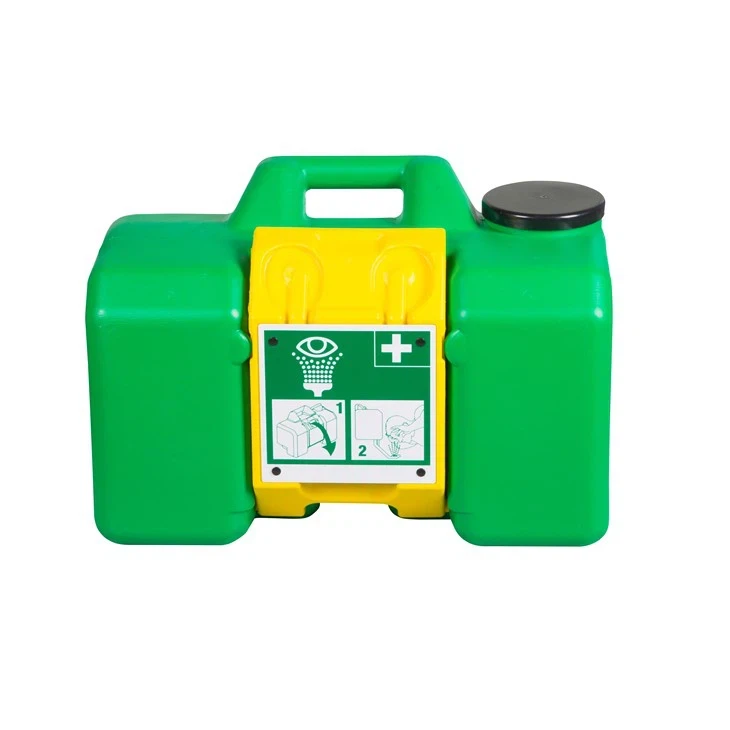
The width and depth of a portable eyewash station are also important. These dimensions determine how much space the station will occupy in your workplace. A typical portable eyewash station has a width that can range from 12 inches (30 cm) to 24 inches (61 cm) and a depth of around 10 inches (25 cm) to 18 inches (46 cm). The size can vary depending on the type of station, such as Portable Air - Pressured Emergency Eye Wash or Portable Gravity Fed Eye Wash. A smaller width and depth are beneficial in workplaces with limited space, while larger stations may be required to accommodate larger fluid reservoirs or additional features.
Fluid Reservoir Dimensions
The fluid reservoir is the part of the portable eyewash station that holds the flushing fluid. The size of the reservoir is a key dimension as it determines the duration of the eyewash. OSHA requires that portable eyewash stations be capable of providing a continuous flow of flushing fluid for at least 15 minutes. To meet this requirement, the reservoir capacity typically ranges from 1 gallon (3.8 liters) to 5 gallons (18.9 liters). A larger reservoir means a longer supply of flushing fluid, which can be crucial in situations where a more thorough eye rinse is needed.
Nozzle Spacing
The spacing between the eyewash nozzles is another important dimension. The nozzles should be spaced far enough apart to comfortably fit the eyes of most users. A common spacing is around 3 inches (7.6 cm) to 4 inches (10.2 cm). This allows for a proper and effective flushing of both eyes simultaneously, which is essential for quickly and thoroughly cleaning the eyes in case of an injury.
Impact of Dimensions on Workplace Safety
The dimensions of a portable eyewash station have a direct impact on workplace safety. A station that is too high or too low may be difficult to use in an emergency, leading to delays in treatment. Similarly, if the nozzles are not properly spaced, it may be challenging to flush both eyes effectively. In addition, the size of the fluid reservoir is directly related to the amount of time the eyewash can be used. A smaller reservoir may run out of fluid before the recommended 15 - minute flushing time, leaving the injured worker at risk of further complications.
Choosing the Right Dimensions for Your Workplace
When choosing a portable eyewash station, it's important to consider the specific needs of your workplace. If you have a small workspace, a compact station with a smaller footprint may be more suitable. On the other hand, if you have a large number of workers or deal with more hazardous chemicals, a station with a larger fluid reservoir may be necessary.
It's also important to consider the physical characteristics of your workers. If your workforce includes a wide range of heights, make sure to choose a station with adjustable or properly positioned nozzles. Additionally, if your workplace has limited accessibility, such as narrow aisles or restricted areas, the width and depth of the station should be carefully considered.
Installation and Placement Based on Dimensions
The dimensions of the portable eyewash station also play a role in its installation and placement. The station should be installed in an easily accessible location, within 10 seconds of travel time from the hazard area. The height and width of the station should allow for unobstructed access. It should not be placed in an area where it can be easily knocked over or blocked by equipment or materials.
Maintenance and Dimensions
Proper maintenance of the portable eyewash station is essential for its effectiveness. The dimensions of the station can impact its maintenance requirements. For example, a larger fluid reservoir may require more frequent refilling and cleaning. The size and design of the station can also affect how easy it is to access and replace parts, such as the nozzles or the pressure - relief valve in an air - pressured station.
Conclusion
In conclusion, the dimensions of an OSHA - approved portable eyewash station are crucial for ensuring workplace safety. From the height and width of the station to the size of the fluid reservoir and the spacing of the nozzles, each dimension plays a vital role in the station's functionality and effectiveness. As a supplier of Portable Eyewash Station Osha Approved, I am committed to providing high - quality stations that meet all OSHA standards and have the appropriate dimensions for your workplace.
If you're in the process of evaluating portable eyewash stations for your workplace, I encourage you to reach out to discuss your specific needs. We can help you choose the right station based on its dimensions and other features to ensure the safety of your workers. Contact us to start the conversation about how we can provide the best portable eyewash solution for your workplace.

References
- Occupational Safety and Health Administration (OSHA) standards for eyewash stations.
- Industry best practices for workplace safety equipment.


